
How Acupuncture Helps Prevent Heat Stroke
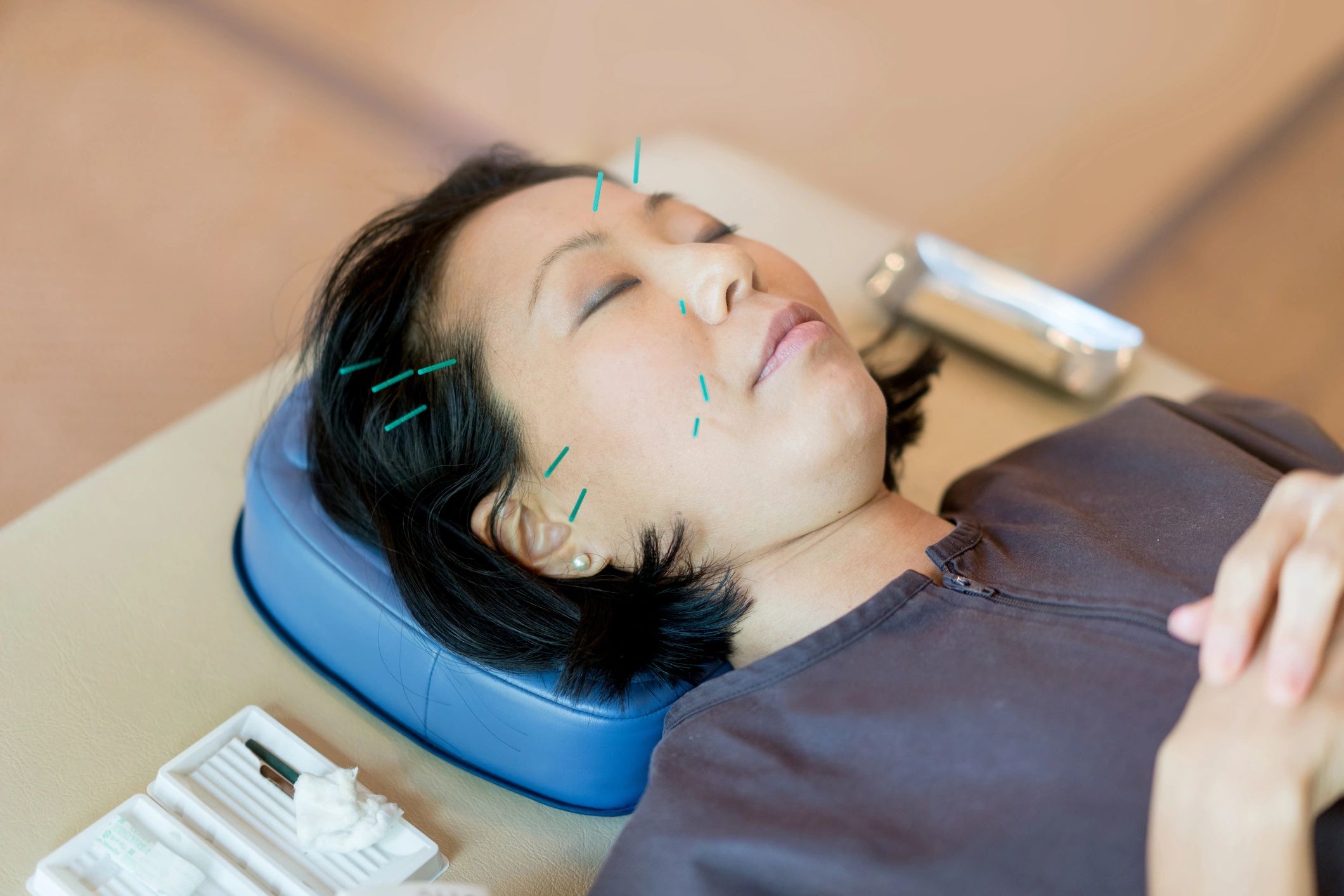
The Hidden Danger Lurking in Summer’s Heat—And How Holistic Care Can Help
Every summer, rising temperatures bring more than just sunshine—heat stroke emerges as a silent but serious threat, especially in high-heat regions like Arizona. When the body overheats and can no longer regulate its temperature, symptoms can escalate quickly: confusion, nausea, rapid pulse, and even loss of consciousness. In extreme cases, untreated heat stroke can lead to organ failure or death. While staying hydrated and avoiding peak sun exposure are common-sense preventive steps, few consider how supporting the body’s internal balance can enhance resilience to extreme heat.
Enter acupuncture—a time-tested component of traditional Chinese medicine that’s increasingly recognized for its role in preventive wellness. By optimizing qi (vital energy) flow and supporting the autonomic nervous system, acupuncture helps condition the body to respond more efficiently to environmental stressors, including prolonged heat exposure. Practitioners in wellness-focused areas such as Sedona and across Northern Arizona are seeing patients use seasonal acupuncture regimens to preemptively support thermoregulation, reduce heat-related fatigue, and maintain adrenal and cardiovascular health during scorching summer months.
This article will explore how acupuncture works as a proactive tool—not just for recovery, but for prevention. You’ll learn practical, actionable strategies rooted in holistic health principles, including:
- How acupuncture influences sweat glands and microcirculation to aid cooling
- The role of meridian pathways in managing internal body temperature
- Why early, consistent treatment during warmer seasons enhances results
- Simple lifestyle pairings—like breathwork and hydration timing—that amplify acupuncture’s protective effects
Understanding the synergy between body, environment, and energy can make all the difference when the mercury rises.
Understanding Heat Stroke: How Your Body Regulates Temperature
Heat stroke is a severe condition that occurs when the body’s natural cooling systems fail under extreme heat stress. Normally, your body maintains a stable internal temperature through a delicate balance of heat production and heat dissipation—primarily via vasodilation, sweating, and respiratory evaporation. These thermoregulatory mechanisms are controlled by the hypothalamus, the brain’s thermostat, which responds to changes in core temperature. In hot environments—especially during prolonged physical activity—your blood vessels expand to bring warm blood closer to the skin’s surface, while sweat glands release moisture that cools the body as it evaporates.
However, in high humidity or during dehydration, sweat doesn’t evaporate efficiently, reducing its cooling effect. When heat gain exceeds heat loss, core temperature rises rapidly—crossing the critical threshold of 104°F (40°C)—leading to central nervous system dysfunction, confusion, and potential organ damage. Unlike heat exhaustion, which can be reversed with rest and hydration, heat stroke is a medical emergency with long-term consequences if not addressed immediately.
Residents in arid regions like Sedona and throughout Northern Arizona face increased risks during summer months due to intense sun exposure and fluctuating desert temperatures. Preventive strategies—such as staying hydrated, seeking shade, and understanding your body’s signals—are essential. While Western medicine focuses on emergency intervention, integrative approaches like acupuncture aim to enhance the body’s resilience by supporting autonomic balance and circulation before crisis hits.
How Acupuncture Activates Your Body’s Natural Cooling System
When summer heat rises, especially in warm climates like Northern Arizona, your body’s ability to regulate temperature becomes critical to preventing heat-related illness. Acupuncture offers a natural, holistic way to support your body’s thermoregulation by enhancing internal cooling mechanisms—without relying on medication or invasive procedures. By stimulating specific acupoints linked to the autonomic nervous system and circulatory function, treatments can help your body respond more efficiently to high temperatures.
Follow these steps to understand how acupuncture supports natural cooling:
Identify key cooling meridians
Focus on acupuncture channels like the Pericardium and Triple Warmer, which govern circulation and fluid balance. These pathways help dissipate internal heat and maintain homeostasis during temperature spikes.Stimulate heat-relieving acupoints
Practitioners may target points such as PC6 (Neiguan) and HT7 (Shenmen) to calm the nervous system, reduce perceived heat stress, and promote sweat gland efficiency for better evaporative cooling.Improve microcirculation with fine-needle technique
Precise needle placement enhances blood flow to the skin’s surface, allowing excess internal heat to be released more effectively—a key defense against overheating.Balance hydration and electrolyte regulation
Acupuncture influences kidney and adrenal function through the Kidney meridian, helping your body retain essential fluids and minerals lost through sweating.Incorporate seasonal lifestyle guidance
Pair treatments with dietary tips—like increasing cooling foods such as cucumber and mint—and timing outdoor activity during cooler hours in Sedona and similar high-heat environments.
Regular sessions during peak summer months train your body to adapt faster and reduce heat retention, supporting long-term resilience against heat stroke.
5 Acupuncture Points That Support Hydration and Circulation to Prevent Overheating
When temperatures rise in regions like Sedona and across Northern Arizona, the body’s ability to regulate heat becomes critical. Acupuncture, a core component of traditional Chinese medicine, offers a proactive approach by stimulating specific points that enhance hydration, optimize blood flow, and support thermoregulation—helping to prevent heat-related illness before it starts.
PC6 (Neiguan) – The Circulatory Regulator
Located on the inner forearm, PC6 helps modulate cardiovascular function and supports smooth blood circulation. Stimulating this point may reduce vascular resistance, allowing for more efficient heat dissipation through the skin and extremities.ST36 (Zusanli) – The Hydration Enhancer
Found below the knee, ST36 is renowned for strengthening the digestive system and enhancing qi and fluid absorption. This point supports the body’s ability to retain and utilize water effectively, crucial for maintaining hydration during prolonged heat exposure.SP6 (Sanyinjiao) – The Fluid Balancer
Situated above the ankle, SP6 governs the spleen, liver, and kidney meridians—all involved in fluid metabolism. Regular stimulation can help regulate electrolyte balance and promote optimal moisture distribution throughout tissues.LI11 (Quchi) – The Heat Clearer
At the end of the elbow crease, LI11 is a go-to point for clearing internal heat. It supports the body’s natural cooling mechanisms by encouraging peripheral circulation and reducing core temperature buildup.GV20 (Baihui) – The Thermoregulatory Anchor
At the crown of the head, GV20 helps stabilize the nervous system and improve cerebral blood flow. This not only prevents dizziness during heat stress but also supports overall thermal homeostasis.
Incorporating regular acupuncture sessions that target these points—especially during peak summer months—can be a strategic part of seasonal wellness planning for anyone active in hot, dry climates.
How Acupuncture Shields Your Body from Heat-Related Inflammation and Organ Stress
When temperatures rise, especially in hot climates like Northern Arizona and regions such as Sedona, your body’s ability to regulate internal balance becomes critical. Prolonged heat exposure can trigger systemic inflammation and place added strain on vital organs like the liver, kidneys, and heart. Acupuncture offers a natural, time-tested method to support your body’s resilience during extreme heat by modulating inflammatory responses and enhancing organ function. Rooted in traditional Chinese medicine, acupuncture works by stimulating specific acupoints to regulate qi (vital energy) flow, helping maintain homeostasis even under thermal stress.
Research-informed practice shows that acupuncture can reduce pro-inflammatory cytokines—molecules that escalate heat-induced tissue damage. By calming this internal inflammatory cascade, acupuncture helps protect blood vessels, brain tissue, and muscle function during heat waves. Additionally, strategic point selection supports detoxification and fluid balance through improved liver and kidney regulation, which is essential when sweating and hydration levels fluctuate.
For those spending time outdoors in high temperatures, regular acupuncture sessions can serve as a preventive measure. Benefits include:
- Reduced internal heat accumulation
- Better circulation and microvascular function
- Enhanced sweat regulation and electrolyte balance
- Improved heat shock protein activity, which protects cells
Integrating acupuncture into seasonal wellness routines—especially before summer peaks—can prepare your body to handle heat more efficiently, reduce recovery time, and lower the risk of heat-related complications.
Frequently Asked Questions About Acupuncture for Heat Stroke Prevention
Can acupuncture really help prevent heat stroke?
Yes, acupuncture supports the body’s thermoregulatory systems by promoting balanced circulation, hydration response, and nervous system resilience. By stimulating specific acupoints, practitioners help the body adapt more efficiently to extreme heat—reducing the risk of overheating, especially during Arizona’s intense summer months.
How does acupuncture improve the body’s response to high temperatures?
Acupuncture enhances qi and blood flow, helping the body dissipate heat more effectively. It also calms the sympathetic nervous system, which can overreact in hot environments, leading to symptoms like dizziness, rapid pulse, or excessive sweating—early warning signs of heat-related illness.
When should I start acupuncture sessions for heat stroke prevention?
Ideally, treatment should begin before peak summer heat. Many patients in Sedona and Northern Arizona start seasonal acupuncture protocols in late spring to build resilience gradually, ensuring optimal internal balance as temperatures rise.
Are there specific acupuncture points used for heat regulation?
Yes, points such as LI11 (Quchi), PC6 (Neiguan), and GV14 (Dazhui) are commonly used to clear internal heat, reduce inflammation, and support fluid balance. These are selected based on individual patterns of disharmony identified during assessment.
Can children and older adults benefit from preventive acupuncture?
Absolutely. Acupuncture is safe and adaptable for all ages. For heat-sensitive populations, it helps strengthen physiological adaptability, which is especially valuable during prolonged heat waves common across the desert Southwest.
How often should I get treatments during hot seasons?
A typical preventive plan involves weekly or bi-weekly sessions during peak summer, adjusted based on activity level, outdoor exposure, and constitution. Regular care helps maintain homeostasis when environmental stress is highest.
Does acupuncture replace the need for hydration and cooling measures?
No—acupuncture works alongside standard precautions. It enhances your body’s natural defenses but should be combined with proper hydration, shaded rest, and mindful outdoor timing for comprehensive protection.
Take Control of Your Body’s Response to Heat with Holistic Support
Acupuncture isn’t just for pain relief—it’s a proactive tool in your heat stroke prevention arsenal. When integrated into a comprehensive wellness plan, this ancient practice helps regulate your body’s internal thermostat, supports hydration at the cellular level, and enhances circulation to promote efficient cooling during high-temperature exposure. For those spending time outdoors in hot climates like Sedona or engaging in summer activities across Northern Arizona, maintaining optimal thermoregulation is essential. Acupuncture works by stimulating specific points along the meridians to calm an overheated nervous system, reduce inflammatory responses, and support adrenal function—key factors in how your body manages heat stress.
Rather than waiting for symptoms to appear, consider preventive sessions during peak summer months. Many patients find that regular treatments improve heat tolerance, decrease excessive sweating or sudden fatigue, and support cardiovascular stability in extreme temperatures. Pair acupuncture with proper hydration, breathable clothing, and mindful activity scheduling for maximum protection.
To get started:
- Schedule seasonal acupuncture tune-ups to prepare your body for heat exposure
- Focus on points known to clear internal “heat” and support fluid balance
- Monitor how your body responds and adjust frequency based on activity level and climate
Your body is designed to adapt—but sometimes it needs a little energetic support. By embracing acupuncture as part of your heat safety routine, you’re investing in resilience, performance, and long-term well-being. Take charge now and stay safe, strong, and balanced all summer long.
